
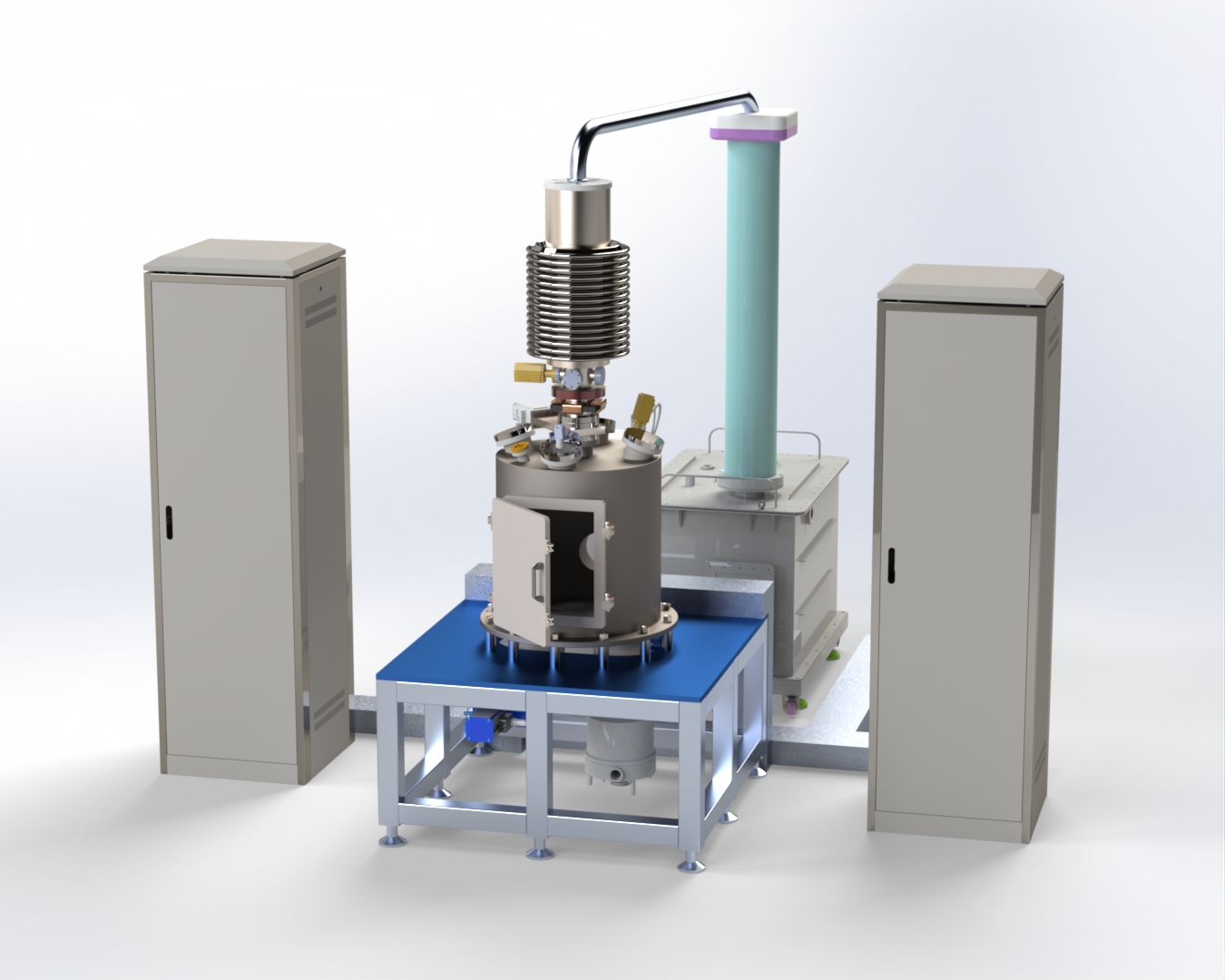
Designed for radiation-tolerance testing and characterization of chips, circuit boards, electronic systems, batteries, and other materials, devices, and equipment, this system features a vertical, integrated design comprising three major units: the main characterization unit, an auxiliary HV power supply, and an auxiliary control cabinet. With continuously adjustable dose rates, it accurately simulates harsh space radiation environments in a controlled vacuum, enabling both qualitative and quantitative verification testing.
Upgradable & Extensible
High Performance
Self-Stabilizing
Key Applications
Main Unit & Core Functions
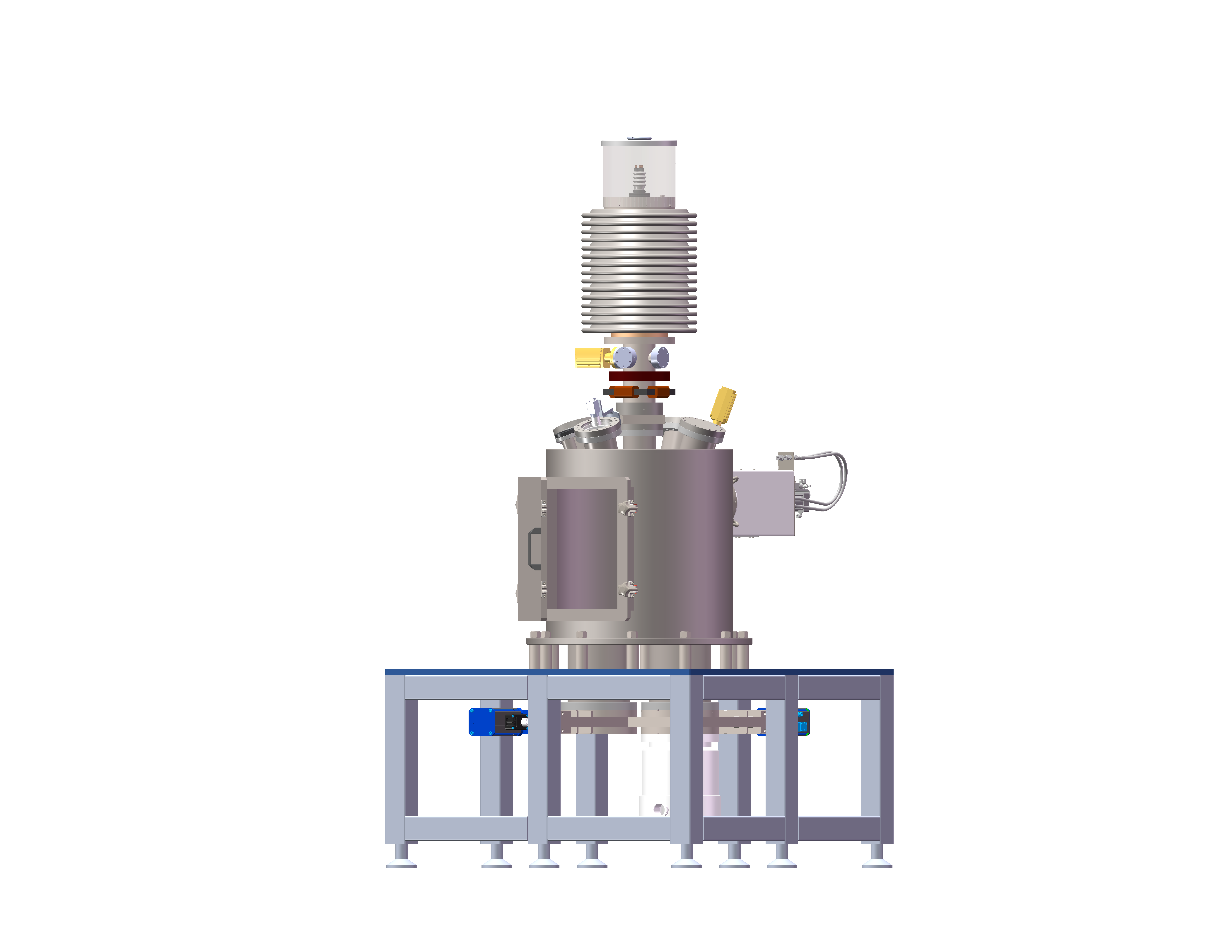
- Precisely measure the evolution of core electrical parameters of devices/equipment versus fluence rate and time in a controlled vacuum irradiation environment
- Simultaneously monitor radiation damage effects such as lattice defect generation and electrical property degradation
- Optional thermal management evaluation module for analyzing irradiation heating and thermoelectric coupling effects
- Electron beam energy of 10 keV–200 keV, beam current of 10 nA–10 µA, spot size of 1 mm–50 mm
- Optional scanning system for uniform scanning over 1000 mm×1000 mm
Sample Chamber & Interfaces
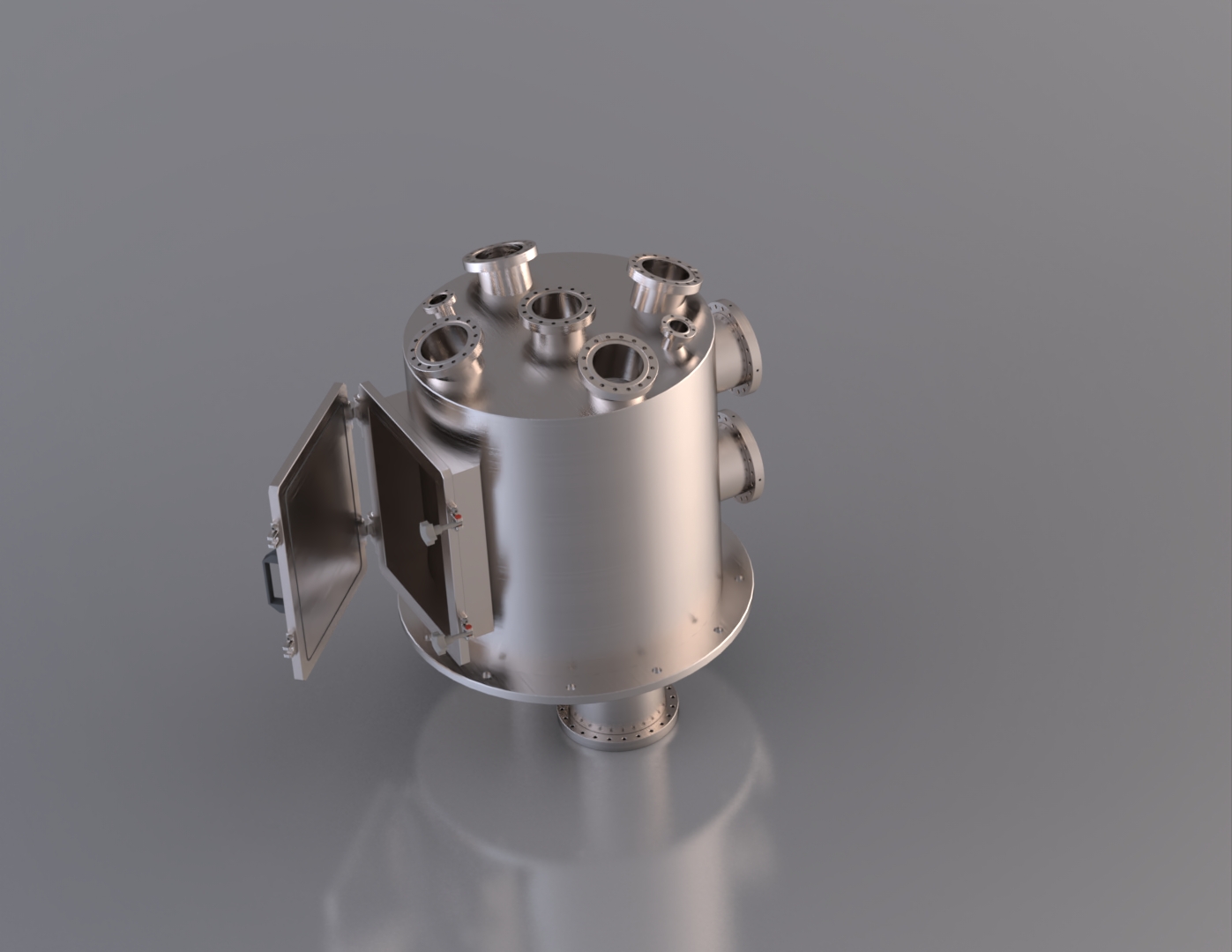
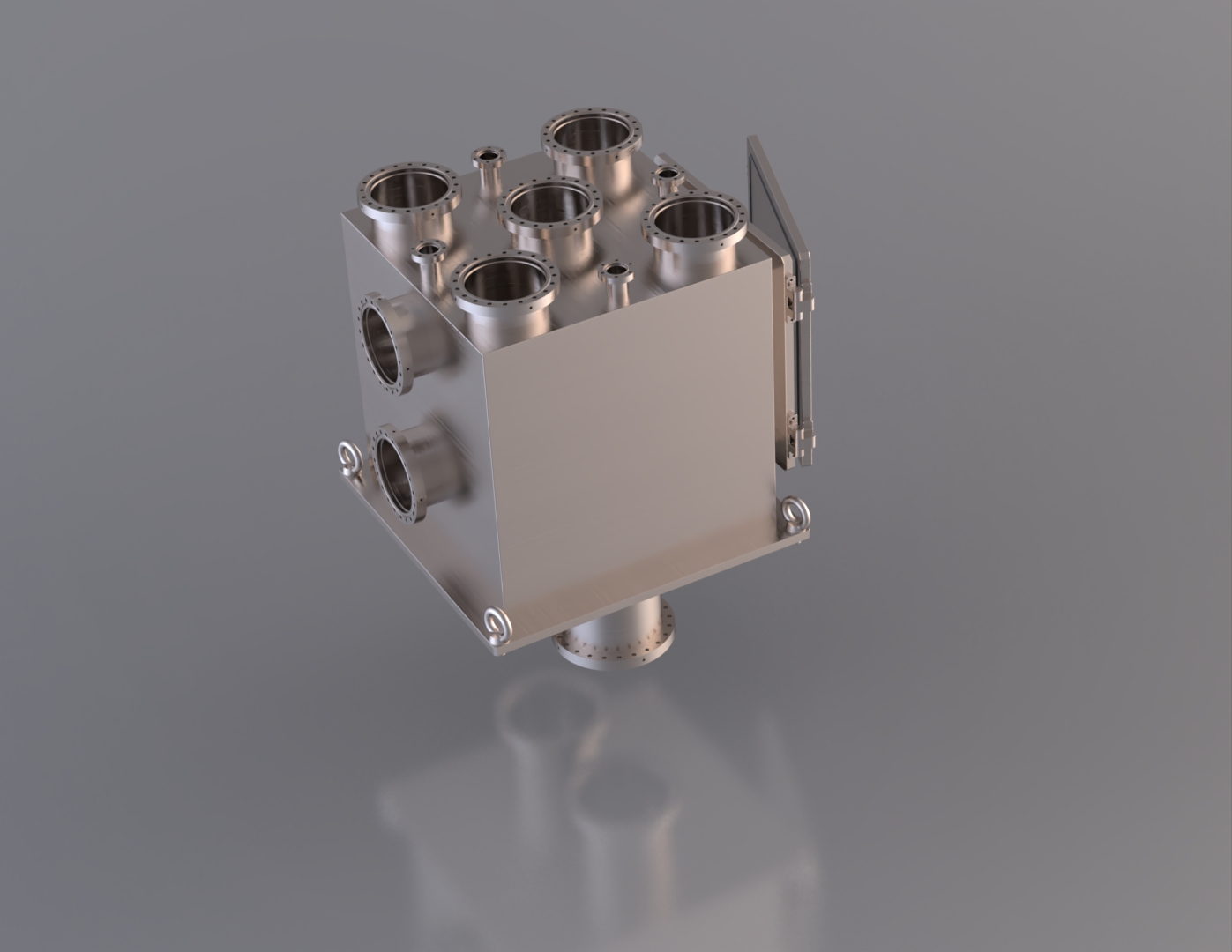
The sample chamber offers abundant interfaces, with reserved mounting positions for a 2D movable sample stage and corresponding signal feedthroughs. Chamber dimensions are customizable, available as a cylindrical chamber (≥ Ø600 mm × H600 mm) or cubic chamber (≥ 600×600×600 mm). Multiple flange sizes — CF100/CF150/CF200/CF250 — accommodate samples, Faraday cups, fluorescent screens, turbomolecular pumps, and more, fully meeting diverse testing requirements.
Beam Diagnostics & Monitoring Subsystem
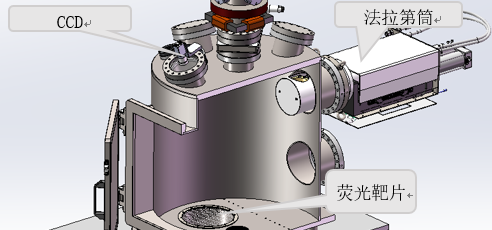
The system uses a Faraday cup probe for beam current measurement and a fluorescent screen probe for spot size measurement, combined with CCD image acquisition for high-precision beam monitoring.
- Spot size measurement resolution
- Current range 1 mA–10 nA, resolution better than 10 nA
- Cup aperture and screen diameter/thickness customizable on request
Irradiation source HV power supply
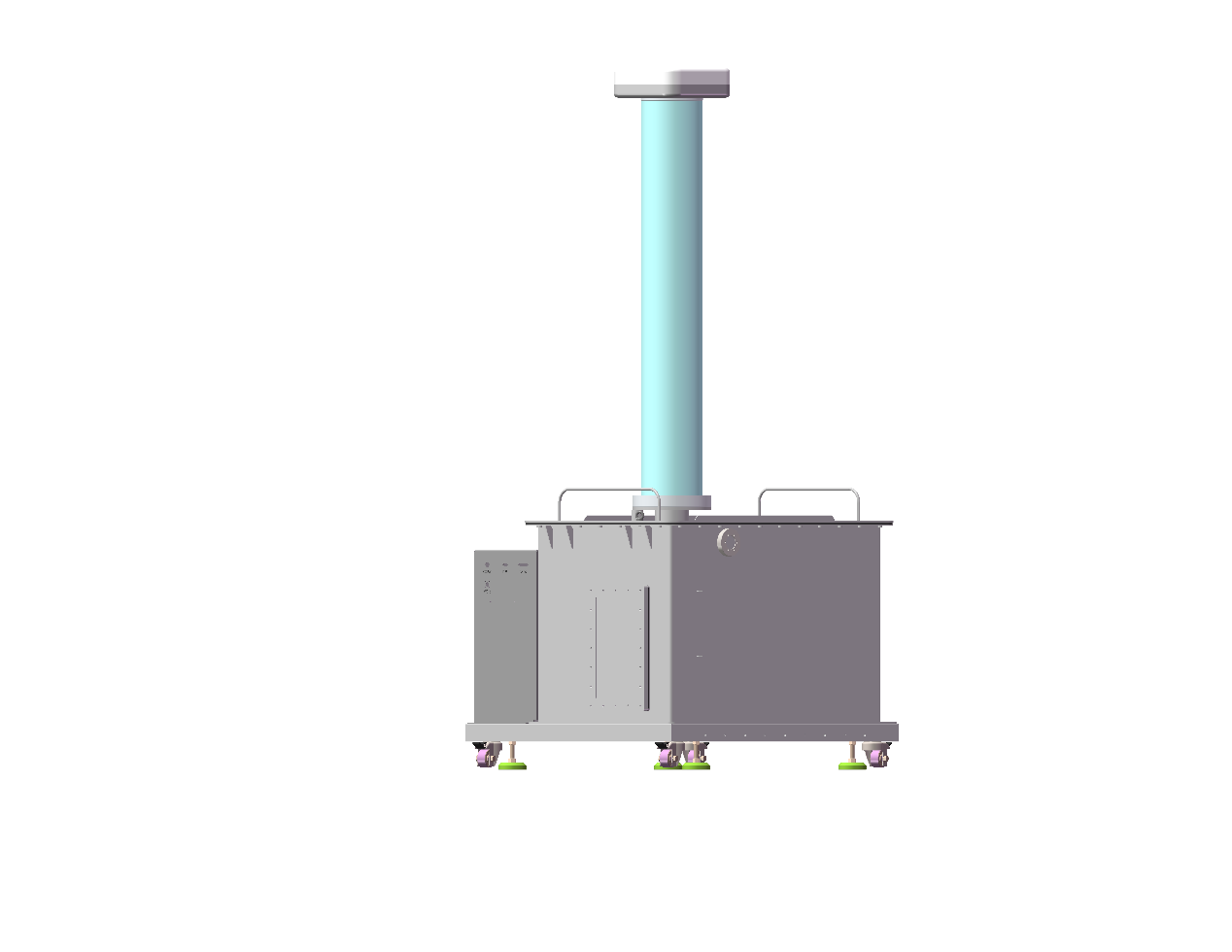
- HV power supply connected to the main unit via spatial HV cable bundles
- Highly integrated design combining 4 power modules: HV supply, filament current source, anode supply, and focusing supply
- Comprehensive protection incl. overvoltage, overcurrent, overheat, and discharge detection for long-term continuous operation
Key Specifications
| Parameter | Specification |
|---|---|
| Beam Energy | 10 keV–200 keV adjustable, step size ≤2 keV |
| Beam Current | 10 nA–10 µA adjustable, accuracy better than 10% |
| Exposure Field | Ø 1 cm–5 cm adjustable |
| Cylindrical Chamber Volume | ≥ Ø600 mm × H600 mm |
| Chamber Vacuum Level | better than 2×10⁻⁴ Pa |
| Chamber Reserved Ports | more than 4 CF35/CF100/CF150/CF200 standard UHV flange ports |
| Current Measurement System | resolution better than 10 nA |
| Spot Size Resolution | better than 0.1 mm |
| Spot Position Accuracy | better than 0.05 mm |
| Scanning Range | 1000 mm×1000 mm |
| Vacuum Pumping System | turbomolecular pump + dry pump |
| Control Software | EPICS-based, local/remote control, parameter & history logging |
| Expandability | universal AEI interface, compatible with various cathode assemblies |